
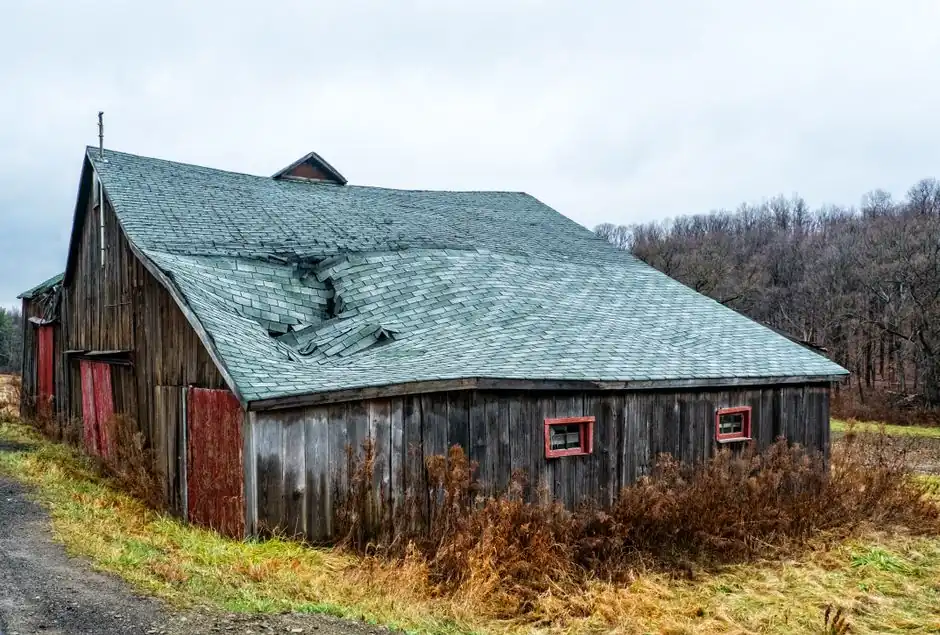
Filing a roof damage insurance claim in California means five moves in order: document the damage with dated photos, report the loss to your insurer, meet the adjuster on the roof, negotiate the scope, then hire a licensed roofer to do the work. Most California homeowners policies cover sudden damage from wind, hail, falling trees, and fire - not gradual wear, and not the slow leak that has been staining your ceiling for two winters. The rest of this post walks through each step the way we handle it on real claims across Los Angeles County, including what to do when the first offer comes in low.
A roof damage insurance claim in California is a formal request to your homeowners carrier to pay for covered repairs, and it is triggered the moment you notice damage - not the moment you decide to call someone.
Does homeowners insurance cover roof damage in California?
California homeowners insurance covers roof damage caused by sudden, accidental events - wind, hail, falling limbs, fire, and vandalism - while excluding damage from age, neglect, and gradual deterioration. That distinction drives almost every denied claim we see. A 30-year-old asphalt shingle roof that finally gives out during a rainstorm is not a covered loss; the same roof after a 60 mph wind event tears off a section of ridge cap is.
What does roof insurance cover in California in practice? Typically the cost to repair or replace the damaged portion, minus your deductible, up to your dwelling coverage limit. Your policy also usually covers water damage inside the house if the roof breach caused it - but only if you reported the loss promptly and took reasonable steps to stop further damage.
Three things are almost never covered:
- Wear and tear. Curling, granule loss, and dried-out flashing are maintenance issues.
- Improper installation. If the last roofer skipped underlayment or nailed shingles too high, the carrier will point at the installer, not the storm.
- Long-term neglect. A leak you knew about for months and never addressed.
If your roof is genuinely at the end of its life and you are weighing repair versus a full tear-off, our team walks through the numbers on Roof Replacement in California so you can decide before you file anything.
How to file a roof damage insurance claim in California: the 5-step process
Filing a roof claim in California follows the same sequence whether you are in the San Fernando Valley or San Pedro, and the order matters because each step feeds the next. Skip the documentation step and the adjuster's scope will be smaller than the damage. Skip the adjuster meeting and you are negotiating blind.
- Document everything before you touch anything. Photos, video, dates, and a written timeline.
- Report the loss to your carrier. Most policies require prompt notice - call the claims line, not your agent's office.
- Get an independent roof inspection. A licensed roofer's report gives you a second scope to compare against the adjuster's.
- Meet the adjuster on the roof. Never let an adjuster inspect alone if you can help it.
- Review the settlement, then repair. Do not cash the check until you have compared the line items to real contractor pricing.
Step three is the one most homeowners skip, and it is the one that changes outcomes. A Roof Inspection in California from a licensed contractor gives you a written report with photos, measurements, and a repair estimate - the same language the adjuster uses.
Step 1: Document the damage
Take wide shots of the whole roof line, then close-ups of every damaged area. Photograph the interior ceiling stains, the attic decking if you can safely reach it, and any debris that caused the damage. Write down the date you first noticed it and the weather event you believe caused it.
Step 2: Report the loss
Call your insurer's claims line the same week you notice damage. California carriers generally expect notice within a reasonable time, and delay is one of the easiest reasons for a denial. You will get a claim number and an assigned adjuster - write both down.
Step 3: Get your own inspection
Before the adjuster arrives, have a licensed roofer inspect and document the damage independently. This is not about fighting your insurer; it is about making sure nothing gets missed.
Step 4: Meet the adjuster
Be on the roof or at least on site when the adjuster inspects. Point out every area you documented. Ask what is being included and what is being excluded, and get the answer in the report.
Step 5: Review and repair
When the settlement arrives, compare it line by line to your contractor's estimate. If the numbers are close, schedule the work. If they are not, you have the right to request a re-inspection or invoke the appraisal clause in your policy.
How to document roof damage for insurance in California
How to document roof damage for insurance in California comes down to three things: dates, wide-and-close photos, and a written cause. Carriers deny claims that lack a clear cause-and-effect story far more often than they deny claims with strong documentation.
Here is the documentation set we hand clients before they file:
- 20-40 photos: full roof elevations, damaged slopes, flashing, vents, and interior water staining.
- A short video walkthrough of the damaged area, narrated.
- A written timeline: when you noticed it, what the weather was doing, and any prior repairs.
- Receipts for emergency tarping or temporary repairs.
- Your contractor's written inspection report with measurements and photos.
Do not throw away damaged materials. Save the torn shingles, the broken flashing, and any hail-dented metal until the claim closes. Adjusters sometimes ask to see them.
We do this every week for homeowners across the Valley, including Roofing in Northridge, where 1960s tract homes with original sheathing tend to show storm damage differently than newer builds.
What the adjuster is actually looking for
Adjusters are looking for evidence that a single, identifiable event caused the damage - not a pattern of slow decline. They check shingle mat fracture patterns, granule displacement, flashing deformation, and the condition of the underlayment beneath the damaged area.
Wind damage leaves a signature: lifted or missing shingles on the windward slope, creased mat, and displaced granules in the gutters. Hail leaves dents in soft metal - vents, gutters, valley flashing - and circular fractures in the shingle mat. If your damage does not match a weather event, the adjuster will call it wear.
Two things make an adjuster's job easier and your payout larger: a clean roof with no obvious deferred maintenance, and a contractor report that matches the physical evidence. If your gutters are full of leaves and your flashing is rusted through, expect a fight.
How long does a roof insurance claim take in California?
A California roof insurance claim typically takes 30 to 60 days from first notice to settlement, though simple claims can close in two to three weeks and disputed claims can run six months or more. The clock starts the day you report the loss.
Here is the realistic timeline we see on most residential claims:
- Days 1-3: Report the loss, get a claim number, schedule the adjuster.
- Days 3-14: Adjuster inspection. In busy storm seasons this can stretch to three weeks.
- Days 14-30: Adjuster writes the scope, carrier issues the first settlement offer.
- Days 30-60: Negotiation, re-inspection, or appraisal if the numbers do not line up.
- Days 60+: Repair scheduling and final payment, including recoverable depreciation if you have replacement cost coverage.
California's Fair Claims Settlement Practices Regulations require carriers to acknowledge a claim within 15 calendar days and to accept or deny it within 40 calendar days after receiving proof of loss. Those are the legal floors, not the typical pace.
What to do if your roof claim is denied in California
Roof claim denied California what to do: read the denial letter carefully, request the specific policy language the carrier relied on, and get a second opinion from a licensed roofer before you accept the answer. Denials are frequently reversed when the homeowner produces better documentation.
The three most common denial reasons we see:
- Wear and tear. The carrier argues the damage is age-related. A contractor report showing storm signatures on the same roof can flip this.
- Pre-existing damage. The carrier claims the damage predates your policy. Your inspection report and the prior owner's disclosure can help.
- Insufficient documentation. You reported the loss but never documented it. This is the easiest one to fix.
If the denial stands after a re-inspection, you have three escalation paths: a formal appeal with your carrier, the California Department of Insurance complaint process, and the appraisal clause in your policy if the dispute is about value rather than coverage. A public adjuster is worth considering on claims above $25,000.
Whatever the outcome, you still have a roof to fix. Our team handles Roof Repair in California on both insured and out-of-pocket jobs, and we will tell you straight whether the damage is worth fighting over.
Common mistakes that shrink California roof claim payouts
The biggest mistake homeowners make is letting the adjuster inspect the roof alone. The second is signing a contractor's contingency agreement before the claim is settled - that paperwork can lock you into a scope you have not agreed to.
Other mistakes we see constantly:
- Waiting weeks to report. Delay gives the carrier a reason to question causation.
- Making permanent repairs before the adjuster sees the damage. Tarp it, do not replace it.
- Accepting the first offer. Initial settlements are often 20-40% below the real cost of repair.
- Throwing away damaged materials. Keep the evidence until the claim closes.
- Using a roofer who will not meet the adjuster on site. The best claims get resolved on the roof, not over email.
One more: do not file a claim for a repair that costs less than your deductible. A $1,200 flashing repair on a $5,000 deductible is a claim that costs you money twice - once in cash and once in your claims history.
When to call a professional
Call a licensed roofer the moment you see interior water staining, missing shingles, or daylight through the attic decking. Those are the signs that a small problem is already a big one, and they are the signs that make an insurance claim worth filing.
Our team at RoofPros California handles the full claim process for homeowners across Los Angeles County - inspection, documentation, adjuster meetings, and the actual repair. We work directly with your adjuster, we photograph everything, and we tell you honestly when a claim is not worth filing. If you need emergency tarping before the adjuster arrives, we run Emergency Roofing Services in California and can usually be on your roof the same day.
We also handle the roofing itself once the claim is approved, from Asphalt Shingle Roofing in California on standard residential slopes to flat roof systems on garages and additions. One contractor, one scope, no finger-pointing between the roofer and the adjuster.
Frequently Asked Questions
How do I file a roof damage claim in California?
Call your insurer's claims line, get a claim number, and schedule the adjuster. Before that meeting, photograph all damage and get a licensed roofer's written inspection report. Meet the adjuster on site, review the settlement line by line, then schedule repairs once you accept the offer.
Does insurance cover roof damage in California?
Yes, for sudden events - wind, hail, falling trees, fire, and vandalism. Standard California homeowners policies exclude damage from age, wear, neglect, and improper installation. If your roof failed because it is 30 years old, that is maintenance, not a covered loss.
How long does a roof insurance claim take in California?
Most claims settle in 30 to 60 days from first notice. Simple claims can close in two to three weeks; disputed claims can run six months. California regulations require carriers to acknowledge a claim within 15 days and decide within 40 days of proof of loss.
What if my roof claim is denied in California?
Read the denial letter, request the specific policy language cited, and get a second roofer's opinion. Many denials reverse with better documentation. If it stands, you can appeal, file a complaint with the California Department of Insurance, or invoke your policy's appraisal clause.
Should I get my own roof inspection before filing?
Yes. An independent inspection gives you a written scope with photos and measurements to compare against the adjuster's report. It is the single most effective way to prevent an under-scoped settlement on a California roof damage claim.
Get help with Roofing in California
If your roof is damaged and you are not sure whether to file a claim, call us before you call your insurer. We will inspect the roof, document what we find, and tell you honestly whether the damage is worth a claim.
RoofPros California handles inspections, adjuster meetings, and repairs across Los Angeles County. Call (877) 409-4846 and we will get someone on your roof this week.