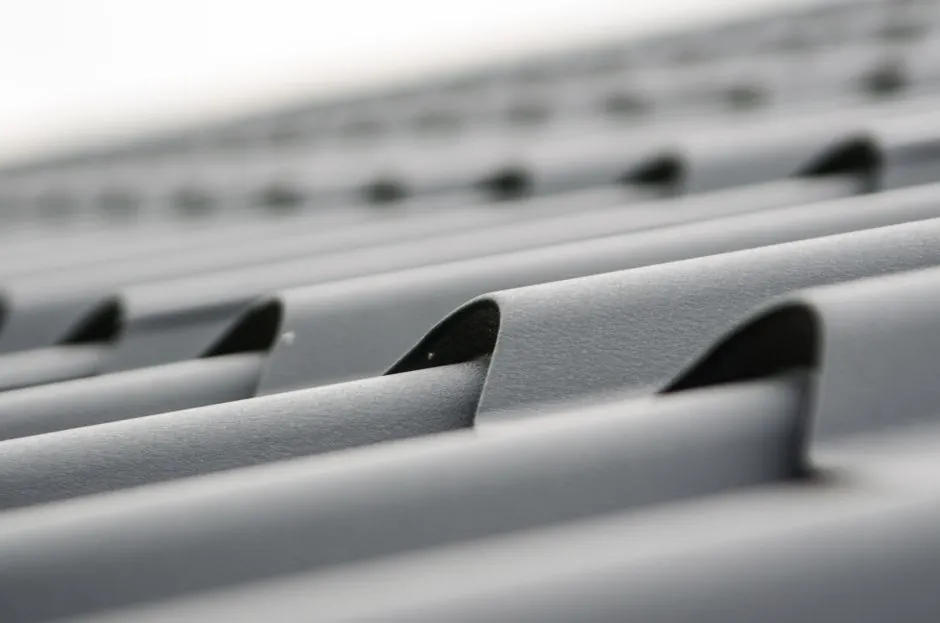
Full Tear-Off and Disposal
We remove the existing shingles, tiles or panels, haul everything to a licensed dump, and sweep the yard with a nail magnet. Dumpster, permits and disposal fees are in the quote, not tacked on later.
Every metal roof project starts with a full tear-off and deck inspection, then moves through underlayment, flashing and panel installation. Below is what is standard on our scopes. Add-ons like skylight replacement or gutter guards are priced separately and always quoted upfront.
We remove the existing shingles, tiles or panels, haul everything to a licensed dump, and sweep the yard with a nail magnet. Dumpster, permits and disposal fees are in the quote, not tacked on later.
Every job includes a sheathing inspection. Rotted or delaminated decking gets replaced before underlayment goes down. We photograph what we find so you can see why the repair was needed.
Synthetic roof underlayment across the field, ice-and-water membrane in valleys and along eaves, plus new drip edge, valley flashing and pipe boots. This is the waterproofing layer beneath your panels.
Standing seam or exposed-fastener metal panels set to manufacturer spec with concealed clips or gasketed fasteners. Ridge vents and ventilation upgrades are included where your attic needs them.
Gutters cleared, magnet sweep completed, and a walkthrough with you on site. You get warranty documents, care instructions, and our direct line for anything that comes up in the first year.
Metal Roofing in California is a roof system of interlocking steel or aluminum panels locked over underlayment, flashing and ventilation, installed when a home needs longer service life, better fire resistance, or lower cooling loads than asphalt shingles deliver. We tear off the old roof, inspect the deck, replace rotted sheathing, then set panels with concealed clips or exposed fasteners depending on pitch and budget. Every panel run gets a chalk line, and every penetration gets sealed with roof sealant rated for California UV.
Inland homeowners in San Bernardino and Pomona deal with afternoon attic temperatures that push past 140 degrees, so we spec reflective finishes and ridge vents that drop cooling demand. Coastal clients in San Mateo and Newport Beach fight salt corrosion instead, which is why we use aluminum or Galvalume panels there. If you have been searching for California metal roofing that holds up to both, this page covers cost, lifespan, repair options and how we run jobs across the state.
Five steps from first call to final walkthrough. You know who is on your roof, what day they arrive, and what gets done before anyone leaves.
Schedule
Call or book online — a real human picks up and confirms a 2-hour arrival window.
Diagnose
Licensed tech inspects on-site, then walks you through the cause and your options.
Fix
The job is completed to code and done right the first time — no shortcuts, no surprises.
Guarantee
Every job backed by a written workmanship warranty — and we stand behind it.
 Tools & Equipment
Roofing nail gun
Fastens underlayment and sheathing with consistent depth so nothing sits proud under the panels. We adjust pressure per material to avoid overdriving.
Chalk line
Snaps guide lines for every panel run so seams stay parallel and panels lock cleanly. A crooked first run ruins the whole roof.
Pry bar and shingle cutter
Used during tear-off to lift shingles and tiles without damaging good decking. Clean removal saves you money on deck replacement.
Roofing safety harness and ladder stabilizer
Every crew member is tied off on pitched roofs, and stabilizers keep ladders from shifting. OSHA 10 and OSHA 30 training covers this.
Nail magnet
Sweeps the yard and driveway for stray fasteners after tear-off and install. It is the last thing we do before we leave.
Caulking gun
Applies roof sealant at flashing joints, pipe boots and panel terminations. We use UV-rated sealant because California sun destroys cheap caulk in a year.
Title 24 Energy Code compliance
We select panel finishes and ventilation that meet California's cool-roof reflectivity requirements for your climate zone. Documentation is provided for permit close-out.
Manufacturer-spec fastening
Concealed clips on standing seam, gasketed screws on exposed-fastener panels, spaced to the manufacturer's wind-uplift table. This keeps your panel warranty valid.
Two-layer waterproofing
Synthetic underlayment across the field plus ice-and-water membrane in valleys and along eaves. If a panel ever shifts, the underlayment still sheds water.
Photo-documented deck inspection
We photograph sheathing before underlayment goes down so you can see the condition of your deck and any repairs we made. No mystery charges.
01
What we do: We tear off the shingles, inspect the deck, and install a standing seam system with a 40-year finish warranty. The upfront cost is higher than shingles, but you skip two future re-roofs.
→ One installation instead of three, and no re-roof disruption for decades. Most clients break even against shingle cycles within 15 to 20 years.
02
What we do: We coordinate with your builder on decking, underlayment and panel layout, and install to California Building Code (CBC) with documentation for your final inspection.
→ A code-compliant metal roof that passes inspection the first time and carries full manufacturer warranty from day one.
03
What we do: We inspect the panel field, replace damaged panels, re-fasten clips, and reseal flashing. If panels are discontinued, we match gauge and profile as closely as possible.
→ A watertight roof without a full replacement bill. Most repairs are done in one day.
04
What we do: We provide a written inspection with photos, then quote repair or replacement depending on what we find. Fast turnaround so your escrow does not stall.
→ A clear report and a fixed roof, which keeps the sale moving and removes the buyer's biggest objection.
California roofs face three different enemies depending on where you live. Coastal homes in San Mateo and Newport Beach deal with salt air that corrodes cheap fasteners within a decade, so we spec aluminum or Galvalume panels and stainless hardware there. Inland homes in San Bernardino and Pomona bake under UV that chalks bargain finishes and pushes attic temperatures past 140 degrees, so reflective cool-roof panels and ridge ventilation are standard. Fire-zone properties in Altadena and La Puente need Class A assemblies and ember-resistant detailing at valleys and vents. We also work to Title 24 Energy Code and California Building Code (CBC) requirements, which vary by jurisdiction, and pull permits where the city or county requires them. If you have been looking for metal roof installation cost in California broken down honestly, our estimates show panel type, gauge, finish and labor as separate line items so you can see where the money goes.
Pacific Palisades
Hillside homes with ocean exposure need salt-rated fasteners and wind-uplift detailing. We spec accordingly and inspect flashing more often here.
Sun Valley
Industrial-adjacent residential blocks see airborne grit that clogs gutters fast. We add gutter guards and schedule more frequent maintenance on these roofs.
West Hills
Larger lot homes with complex rooflines mean more valleys and penetrations. Panel layout planning matters more here than on simple gable roofs.
Chino Hills
Newer construction often has tile or shingle roofs ready for a metal upgrade. We coordinate with HOA color requirements before ordering panels.
Union City
Bay Area marine layer keeps roofs damp longer, so we pay extra attention to underlayment laps and ventilation to prevent condensation.
Inland heat above 100 degrees for weeks
Panels expand and contract more, so clip spacing and fastener selection matter. Reflective finishes pay for themselves in cooling savings.
Coastal salt air and marine layer
Corrosion eats standard fasteners. We use aluminum panels and stainless hardware, and we check flashing annually.
Wildfire ember exposure in foothill zones
Class A metal assemblies and debris-free valleys reduce ignition risk. We clear gutters and valleys during every install.
Santa Ana wind events
Gusts lift poorly fastened panels and shingles. We fasten to manufacturer wind-uplift tables so panels stay put.
Most of our metal roof calls start with one of these four issues. If you recognize yours, we can usually diagnose it on the first visit and tell you whether repair or replacement makes more sense.
Problem
Inland homes see attic temps above 140 degrees in summer, which forces your AC to run longer and shortens its lifespan. Utility bills climb every July and August.
Our Fix
We install reflective metal panels with a cool-roof finish that meets Title 24 Energy Code, paired with ridge vents sized to your attic volume. Most homeowners report a noticeable drop in upstairs temperature within the first summer.
Problem
Curling shingles and missing shingles leave decking exposed to rain. Once water reaches sheathing, roof rot starts and repair costs climb fast.
Our Fix
A metal roof replacement California upgrade eliminates the shingle failure cycle entirely. Panels interlock and stay put in high wind, and the concealed fastening system means fewer points of failure than a nailed shingle field.
Problem
Cracked flashing around chimneys, vents and skylights is the number one source of roof leaks we find. Left alone, it stains ceilings and soaks insulation.
Our Fix
We replace flashing with new metal, seal it with UV-rated roof sealant, and water-test the area before closing up. If you need metal roof repair services in California for a single penetration, we handle that too.
Problem
Embers landing on an asphalt roof can ignite the surface. In fire-prone areas, roof class affects both safety and insurability.
Our Fix
Standing seam metal roofing California carries a Class A fire rating and gives embers nothing to burn. We also clear debris from valleys and gutters during install, removing the fuel that catches first.
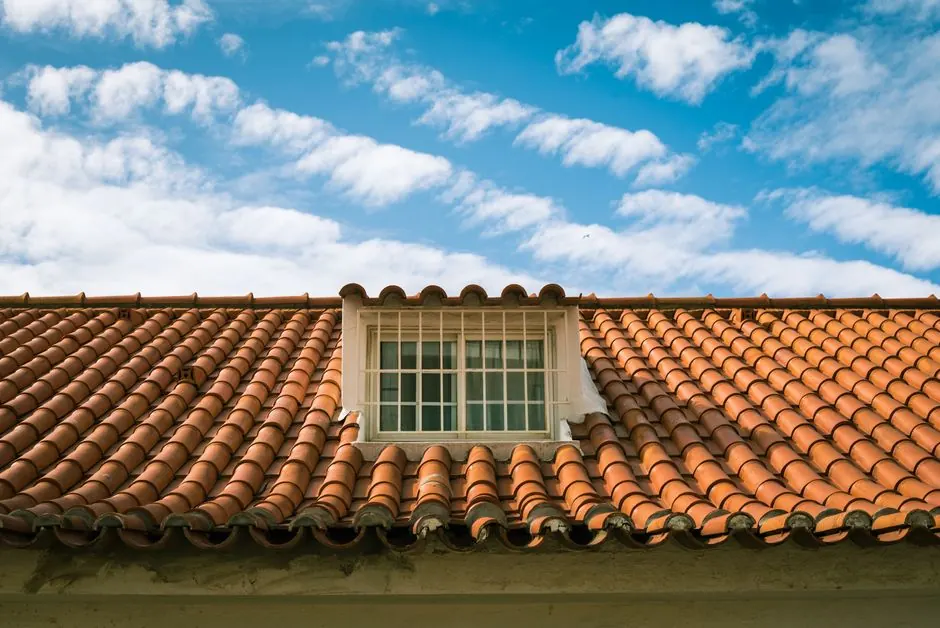
Metal roofing is not a cosmetic upgrade. It changes how your house handles heat, fire risk and the next 40 years of maintenance bills. Here is what you actually get.
Lower Cooling Bills
Reflective metal panels bounce solar gain instead of absorbing it. Attic temps in Inland Empire homes routinely drop 20 to 30 degrees after a metal roof replacement California install, and that shows up on your summer utility bill every month from June through September.
Class A Fire Rating
Standing seam metal roofing California carries a Class A fire rating, which matters when embers from a brush fire land on your roof at 2 a.m. Asphalt shingles can ignite; steel panels will not. Several insurers in high-fire zones now ask about roof class before quoting.
40 to 70 Year Lifespan
A properly installed metal roof outlasts two or three shingle roofs. That answers the question of how long does a metal roof last in California: 40 to 70 years for steel, longer for aluminum near the coast. You pay once and stop budgeting for re-roofs.
Fewer Leak Callbacks
Metal panels expand and contract without cracking the way aging shingles do. We still see roof leaks from cracked flashing and clogged gutters, but the panel field itself rarely fails. Fewer emergency calls, fewer tarp-overs, fewer wet ceilings.
Typical 2026 pricing for metal roof installation California homeowners schedule runs $12 to $25 per square foot installed, which puts a 2,000 square foot home between $24,000 and $50,000. Standing seam sits at the upper end because of concealed clips and longer panel runs; exposed-fastener systems cost less. Tear-off, deck repair, flashing and permits are included in our quotes. We break every estimate into line items so you can see panel cost, labor and disposal separately.
Typical Investment Range
$24,000 - $50,000 for a typical 2,000 sq ft home, depending on panel type and scope
Metal costs more upfront than shingles, but it lasts 40 to 70 years instead of 15 to 20. Spread over that lifespan, it is often the cheaper roof, and it lowers summer cooling bills along the way.
What changes the price
Panel type and gauge
Standing seam costs more than exposed-fastener because of concealed clips and precision forming. Heavier gauge steel adds cost but resists denting better in hail-prone areas.
Roof pitch and complexity
Steep pitches slow installation and require more safety rigging. Multiple valleys, dormers and chimneys add labor hours and flashing material.
Deck condition
If sheathing is rotted or delaminated, it gets replaced before underlayment. A full redeck on a 2,000 square foot home can add several thousand dollars.
Finish and color
Standard cool-roof finishes are included. Premium colors, specialty profiles and longer finish warranties add to the panel cost per square foot.
Access and height
Two-story homes, tight side yards and steep driveways slow the crew and require more equipment. We factor access into the quote upfront, not as a surprise.
Google ★★★★★4.9
RoofPros replaced our shingle roof with standing seam metal. Crew was professional, cleaned up every nail, and finished in four days. The estimate matched the final invoice to the dollar.
Yelp ★★★★★4.8
Had a leak around our chimney after a storm. They found cracked flashing, replaced it, and water-tested before leaving. Charged what they quoted and did not try to sell a full roof.
BBB ★★★★★4.9
We manage rentals and needed two metal roofs repaired fast. RoofPros had crews out in 48 hours and documented everything with photos. Straightforward billing, no games.
We run metal roof installation California crews across the state, from coastal towns to inland valleys. Whether you need a full standing seam system or a repair after storm damage, we route the nearest team and give you a same-day estimate. Below are a few of the cities we cover regularly.
Hillside homes here need salt-rated fasteners and wind-uplift detailing. We spec aluminum panels and stainless hardware for ocean exposure.
Airborne grit from nearby industrial areas clogs gutters fast. We install gutter guards and recommend twice-yearly maintenance on metal roofs here.
Complex rooflines with multiple valleys mean careful panel layout. We plan runs before ordering so seams stay clean and flashing is minimal.
Bay Area temperature swings call for panels that handle expansion without loosening clips. We spec concealed fastening systems for long-term stability.
Inland Orange County heat makes reflective finishes worth the upgrade. We install cool-roof panels that meet Title 24 requirements for this climate zone.
Summer attic temps here push past 140 degrees. We pair reflective metal panels with ridge ventilation sized to your attic volume.
Industrial-adjacent properties often need durable, low-maintenance roofing. Metal panels handle heat and air quality without the upkeep shingles require.
Older housing stock means deck condition varies. We inspect sheathing on every job and replace rot before underlayment goes down.
Wind events lift panels on some roofs here. We re-fasten to manufacturer wind-uplift tables and reseal penetrations after storm damage.
Marine layer keeps roofs damp longer, so we pay close attention to underlayment laps and ventilation to prevent condensation under panels.
Suburban homes with simple gable roofs are straightforward metal installs. Most jobs here finish in two to three days.
Salt air corrodes standard fasteners within a decade. We use aluminum panels and stainless hardware, and check flashing annually.
HOA color rules apply to many roofs here. We confirm approved finishes before ordering panels so installation is not delayed.
Bay Area fog and temperature swings make ventilation critical. We size ridge vents to your attic and verify airflow before final walkthrough.
Compact lots and tight side yards require careful equipment staging. We plan access routes before the crew arrives to avoid delays.
Real answers to the questions we hear most often from local homeowners and property managers.
New construction and full re-roofs, including metal panel systems. We handle decking, underlayment and flashing from scratch so your metal roof starts on a clean, code-compliant base.
View Roof InstallationTear-off and replacement for homes past repair. If your shingle roof is 20-plus years old and leaking in multiple spots, a metal roof replacement California upgrade often costs less over 40 years than two more shingle cycles.
View Roof ReplacementTargeted fixes for leaks, missing shingles, curling shingles and cracked flashing. We diagnose first, then repair only what is failing, so you are not sold a full roof when a $600 fix solves it.
View Roof RepairFast leak tracing and sealing, including around metal panel penetrations, chimneys and vents. We find the source with water testing, not guesswork, and document the repair for your records.
View Roof Leak RepairFull roof and attic evaluation with photos. Useful before buying a home, after a storm, or when you want a straight answer on whether your current roof has years left or months.
View Roof InspectionAnnual or bi-annual service that clears gutters, checks flashing and fasteners, and reseals problem areas. Keeps your metal roof warranty valid and catches small issues before they become ceiling stains.
View Roof MaintenanceCall (877) 409-4846 or send us a message and we will schedule a free inspection at your property. Same-day estimates are common if you reach us before noon. Emergency leak calls are answered 24 hours a day, every day of the year.
Phone
(877) 409-4846Address
California
Hours
Mon–Fri: 7AM – 7PM
Sat: 8AM – 4PM
Sun: Emergency Only
24/7 Emergency Available